Modern buildings need more than basic insulation. Ontario homes and commercial properties face cold winters, hot summers, moisture changes, and rising energy expectations.
Spray foam and exterior foam insulation help solve these problems by improving air sealing, thermal performance, moisture control, and long-term building durability.
Modern insulation is not just about adding R-value. It is about creating a stronger, tighter, more efficient building envelope.
Why Traditional Insulation Is Often Not Enough
Traditional insulation can provide thermal resistance, but it does not always stop air leakage or thermal bridging. Gaps, cracks, framing members, and poorly sealed penetrations can still allow energy to escape.
This is why many modern projects now combine insulation with proper air sealing and continuous exterior foam systems.
How Spray Foam Improves Building Performance
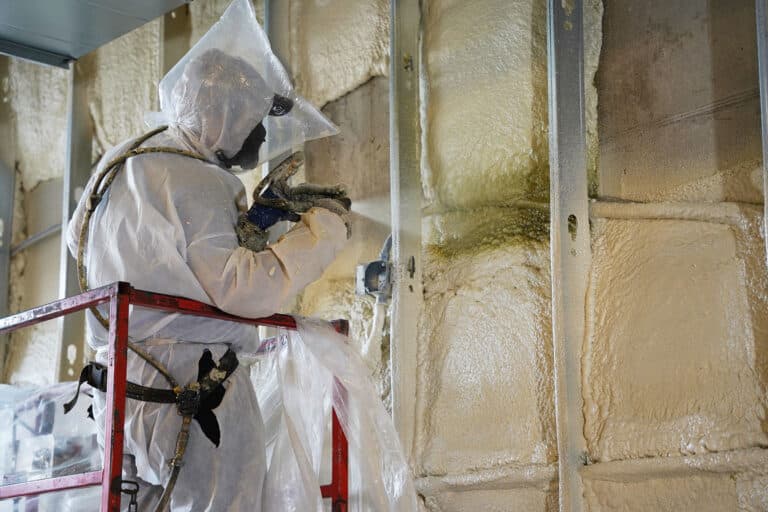
Spray foam expands after application, filling cracks, gaps, and hard-to-reach areas. This creates a continuous insulation and air barrier that helps reduce drafts and uncontrolled airflow.
- • Reduces air leakage
- • Improves indoor comfort
- • Helps lower heating and cooling costs
- • Supports moisture control
- • Strengthens the building envelope
- • Works well in complex framing areas
The Role of Exterior Foam Insulation
Exterior foam insulation is installed outside the wall assembly to reduce thermal bridging through framing members. This helps create a more continuous thermal layer around the building.
For Ontario properties, exterior foam can significantly improve wall performance, especially during recladding, renovations, and high-performance construction projects.
Spray Foam vs. Exterior Foam
Spray foam and exterior foam are not always competing solutions. In many projects, they work best together. Spray foam seals cavities and difficult areas, while exterior foam adds continuous insulation across the building envelope.
The right approach depends on the project type, budget, building design, and long-term performance goals.
Better Comfort in Every Season
A stronger insulation system helps keep warm air inside during the winter and limits unwanted heat gain during summer.
This creates more consistent temperatures, fewer drafts, quieter interiors, and reduced strain on heating and cooling equipment.
Supporting Energy Code Requirements
Building standards continue to move toward better airtightness, higher insulation performance, and improved energy efficiency. Modern insulation systems help builders and property owners meet these expectations more effectively.
DESA Foam Insulation installs insulation systems with attention to detail, correct application, and long-term performance.
Where Modern Insulation Makes the Biggest Difference
- • Attics and rooflines
- • Exterior wall assemblies
- • Basements and rim joists
- • Crawlspaces
- • Commercial buildings
- • Renovation and retrofit projects
- • Custom homes and new construction
Choosing the Right Insulation Strategy
Every building is different. A proper insulation strategy should consider air leakage, moisture exposure, thermal bridging, ventilation, budget, and how the space will be used.
DESA Foam Insulation helps homeowners, builders, and commercial clients choose the right solution for their specific project.
Ready To Upgrade Your Insulation?
DESA Foam Insulation can help improve comfort, reduce energy loss, and build a stronger envelope for your Ontario property.
Request A Free Quote