From Attic to Basement: Where Your Building Is Losing Energy and How Desa Foam Insulation Fixes It

Desa-Foam-Insulation-2-From-Attic-to-Basement,-Where-Your-Building-Is-Losing-Energy-and-How-Desa-Foam-Insulation-Fixes-It,GTA,Toronto

Energy loss is not always obvious. You might just notice chilly floors in winter, hot upstairs in summer, or utility bills that feel too high for the size of your home or building. The truth is that most structures leak energy in several different places at once. The good news is that a strategic insulation and air sealing plan can address each of those weak spots and deliver a big improvement in comfort and cost.

This guide walks you from the attic all the way down to the slab and shows where buildings typically lose energy and how Desa Foam Insulation can fix each problem.

The attic: your biggest opportunity

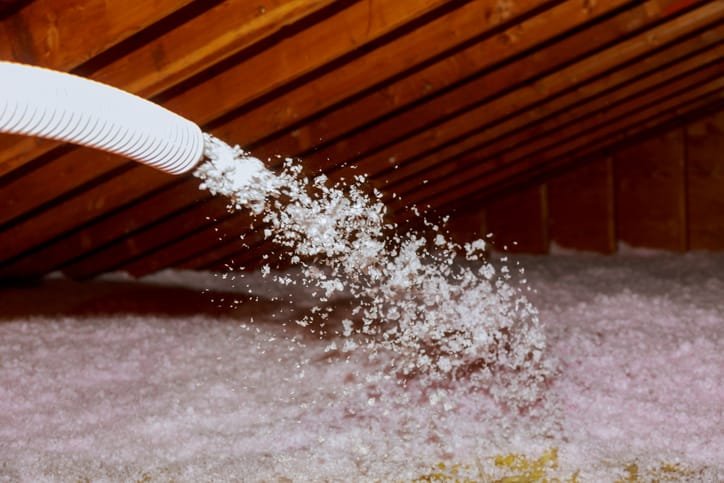
Since warm air rises, the attic is often the biggest source of heat loss in a house. Studies and field experience suggest that roughly one quarter of a home’s energy can be lost through a poorly insulated roof and attic. In many Ontario homes, existing attic insulation is far below the recommended R 50 to R 60 level, especially in older properties.

Common attic problems include:

  • Insufficient insulation depth
  • Gaps around can light, hatches, and penetrations
  • Wind washing at eaves
  • Old, settled, or contaminated insulation

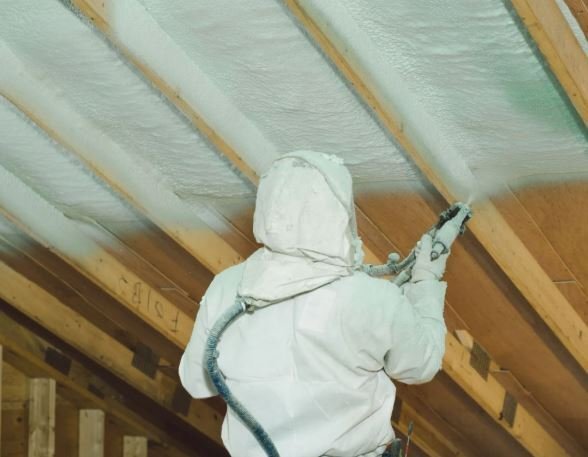
Desa Foam can safely remove old material where needed, then upgrade the attic with fresh blown in cellulose or fiberglass and correct air sealing around key details. Spray foam can also be used at critical junctions or along roof decks where a conditioned attic is desired.

Exterior walls: thermal bridging and air leaks

Even if wall cavities are filled with batt insulation, heat can still escape through studs and framing members. This is the thermal bridging problem that modern codes try to solve with continuous exterior insulation.

Energy loss in walls often comes from:

  • Air leaks around windows, doors, and penetrations
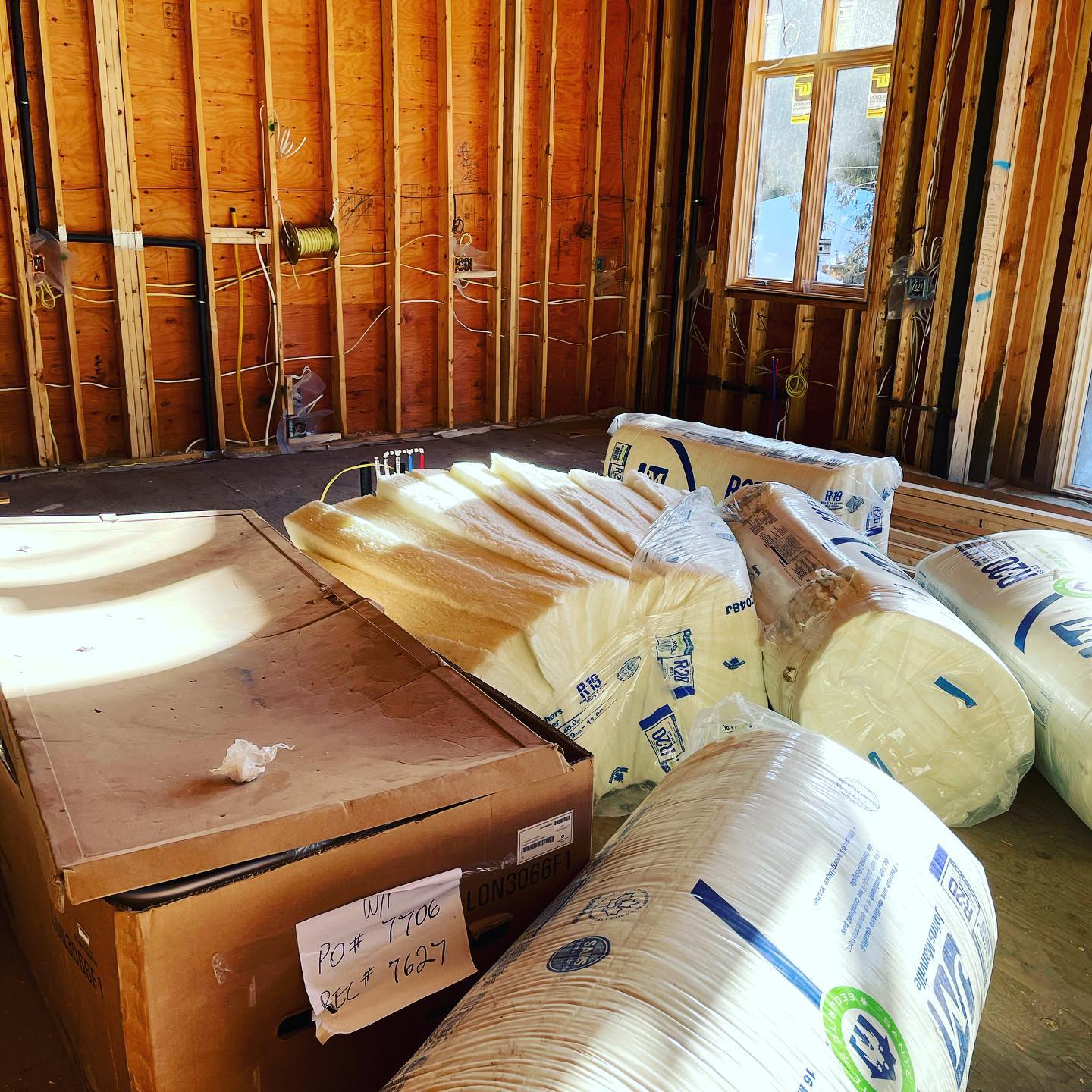
  • Poorly installed batts that leave voids and gaps
  • Lack of continuous insulation on the exterior
  • Cracks in older assemblies

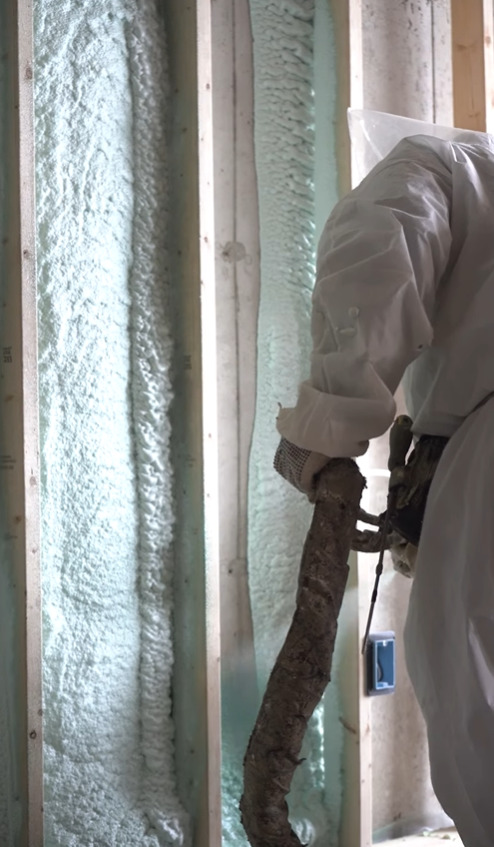
Desa Foam addresses these issues in multiple ways. Spray foam can be used in stud cavities or around transitions to provide both insulation and air sealing. Exterior foam systems can be added during recladding to significantly boost wall performance, reduce thermal bridging, and support compliance with updated energy codes in Ontario.

Basements and foundations: cold edges and moisture risk

Basements and slab edges are often overlooked, yet they are major sources of discomfort. Cold foundation walls and floors can pull heat out of adjacent rooms and create uncomfortable drafts near the floor line. Exterior or interior foam boards and spray foam along rim joists can dramatically improve comfort and reduce condensation risk.

Insulating the outside of foundations with foam board reduces thermal bridging and keeps concrete closer to room temperature, which helps minimize heat loss and moisture problems. Desa Foam can pair this with proper drainage layers, air barriers, and framing so that finished basements remain comfortable and durable for decades.

Air leakage: the invisible energy thief

Insulation alone is not enough if air is freely moving through the structure. Air leakage can account for a large portion of heat loss, especially in windy conditions and older homes.

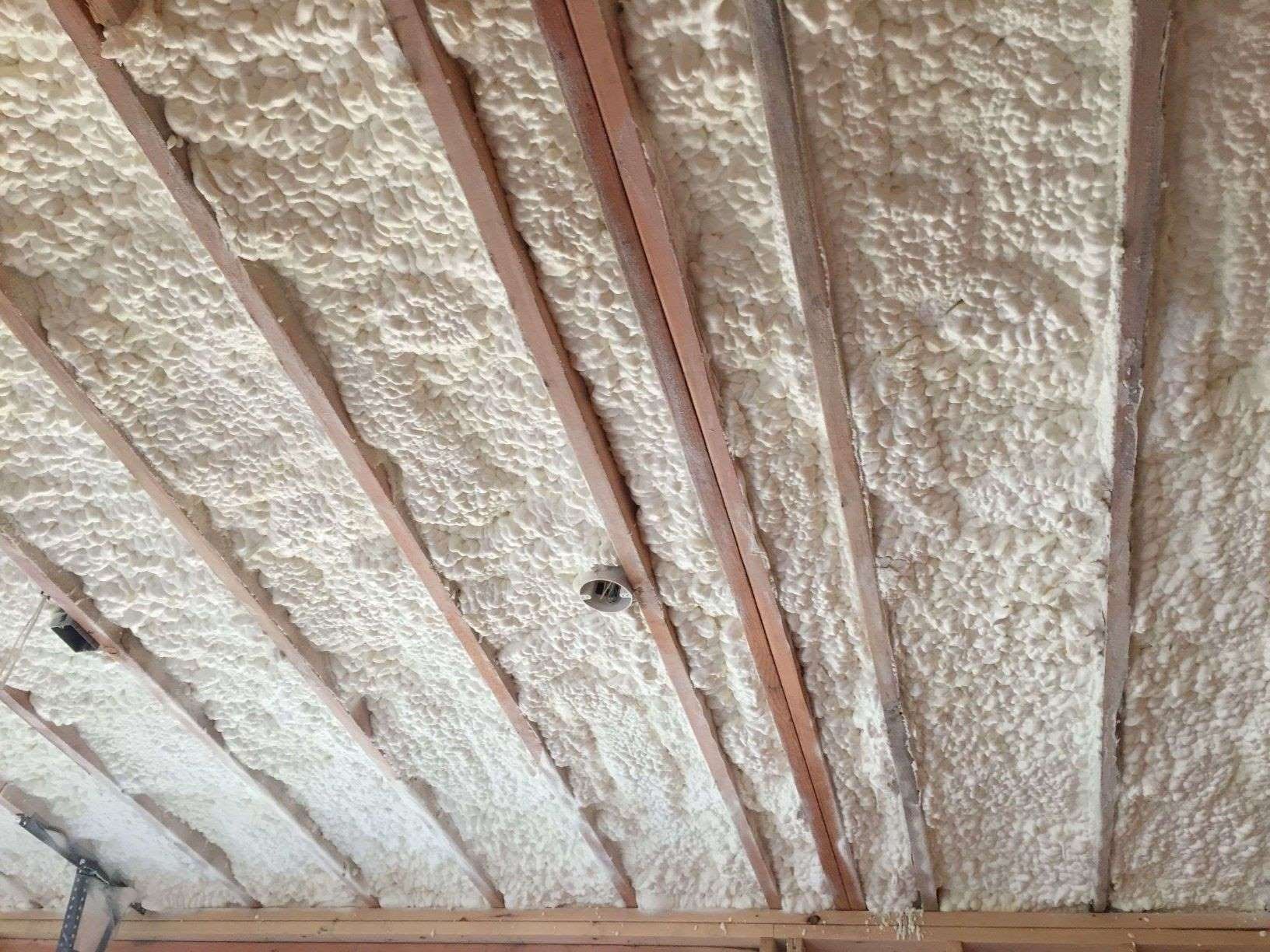
Spray foam shines here because it adheres tightly to surfaces and seals cracks where other materials struggle. By using spray foam strategically at junctions, penetrations, and complex areas, Desa Foam helps create a tighter, more controlled building envelope. This not only reduces energy waste but also improves indoor comfort and can support better indoor air quality when paired with appropriate ventilation.

Concrete slabs and exterior hardscapes: sunken surfaces and hidden gaps

Energy loss is not the only performance issue in many properties. Over time, concrete slabs can settle and create tripping hazards, poor drainage, and gaps that let water and air into unwanted places. Foam slab jacking uses expanding polyurethane foam injected beneath the slab to lift and re level it without demolition.

This approach:

  • Costs significantly less than full replacement in many cases
  • Requires only small injection holes
  • Cures quickly so slabs can be used again within hours
  • Fills voids and stabilizes soil
  • Avoids sending heavy concrete debris to landfill

Desa Foam combines slab jacking and injectable sealing foam to address settlement, gaps, and moisture paths in and around the building, which contributes to a more stable, durable structure.

Why choosing one integrated contractor pays off

Many of these problems overlap. An attic upgrade might need air sealing at top plates. A wall recladding project can be a perfect time to add exterior foam and improve air control. A basement finish project should be coordinated with insulation, moisture management, and fireproofing.

Because Desa Foam Insulation offers multiple specialized services under one roof, the team can design solutions that treat the building as a complete system. That means:

  • Fewer coordination headaches
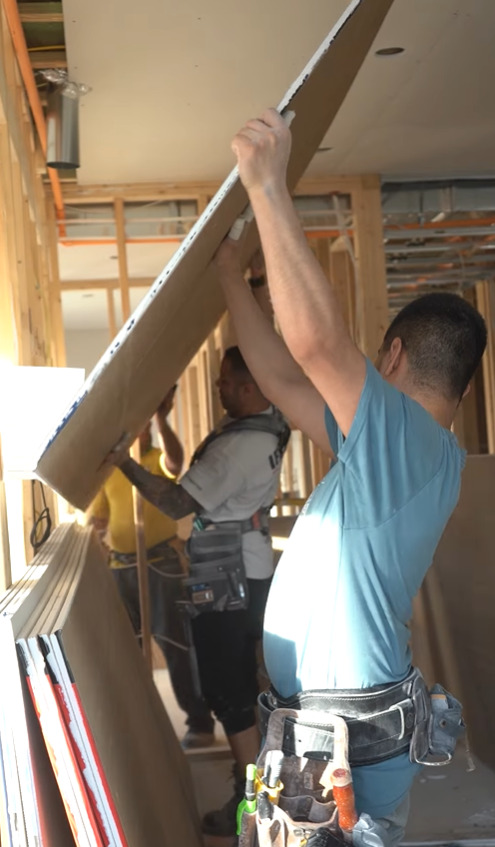
  • Better sequencing with drywall and framing
  • Fireproofing that works with your insulation strategy
  • Longer lasting results and fewer callbacks

Turning energy leaks into long term savings

Every improvement in the building envelope reduces the load on your mechanical systems and lowers your monthly bills. Over time, these savings add up, while the comfort benefits are immediate.

If you suspect your home or building is under insulated or you have visible issues like ice dams, cold rooms, or sunken concrete, now is the ideal time to act.

Reach out to Desa Foam Insulation for a full evaluation from attic to slab and get a customized plan to reduce energy loss, improve comfort, and protect your investment.

Leave a Reply

Your email address will not be published. Required fields are marked *